
PayPay ($PAYP) IPO: Everything You Need to Know


PayPay ($PAYP) IPO: Everything You Need to Know
PayPay is heading to the U.S. public markets as it looks to bring one of Japan’s biggest digital finance platforms to American investors. The company, best known for its QR code and barcode-based payments app, has filed F-1 to list its ADSs on the Nasdaq Global Select Market under the ticker $PAYP. According to the prospectus, PayPay plans to offer about 31.1 million ADSs, while an existing shareholder will sell another 23.9 million ADSs. At the proposed $17–$20 price range, the IPO would value the company at roughly $11.4 billion to $13.4 billion based on the post-offering share count disclosed in the filing. One thing that stands out right away is that SoftBank will remain firmly in control after the offering, with entities ultimately controlled by SoftBank Group expected to hold about 91.78% of the voting power. The filing also says Qatar Holding, Visa, and Abu Dhabi Investment Authority have indicated interest in purchasing up to $220 million of ADSs as cornerstone investors. Below is a closer look at what PayPay is building and what stands out from the prospectus for retail investors evaluating the IPO.
What PayPay Is Building
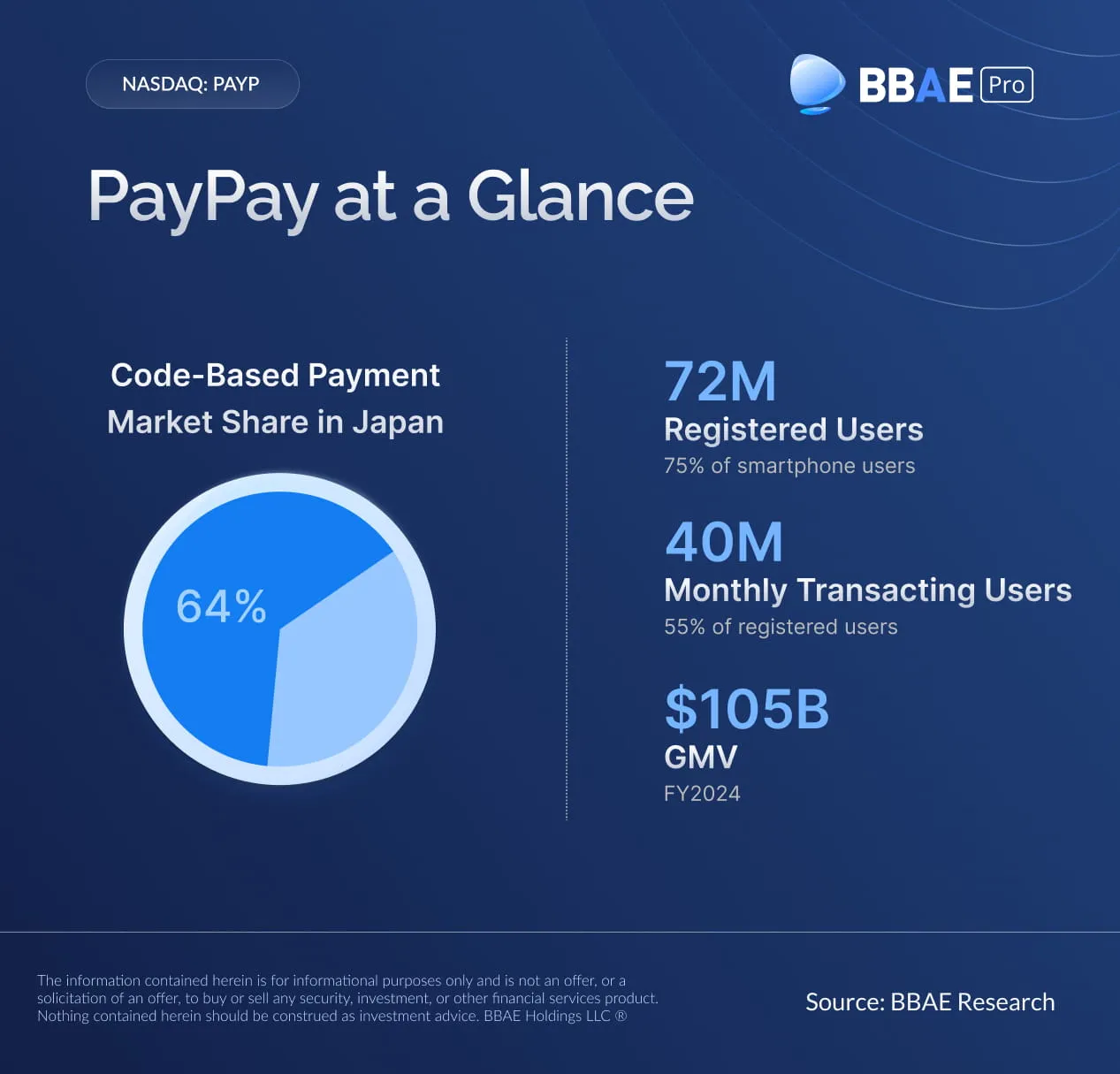
PayPay describes itself as a digital finance platform built around a simple idea: use everyday payments to bring users into the app, then keep them engaged by offering more financial products over time. The company launched its QR code and barcode-based payment service in October 2018 and has since become one of the biggest players in Japan’s cashless payments market. According to company materials, PayPay held about 64% of Japan’s code-based payment market based on 2024 GMV. The company also says it had 72 million registered users by the end of 2025, equal to roughly 75% of Japan’s smartphone user base, and about 40 million monthly transacting users, or around 55% of registered users. That kind of reach helps explain why PayPay is pitching itself not just as a payments app, but as a broader financial platform with a large built-in distribution network.
Business Model and Revenue Streams
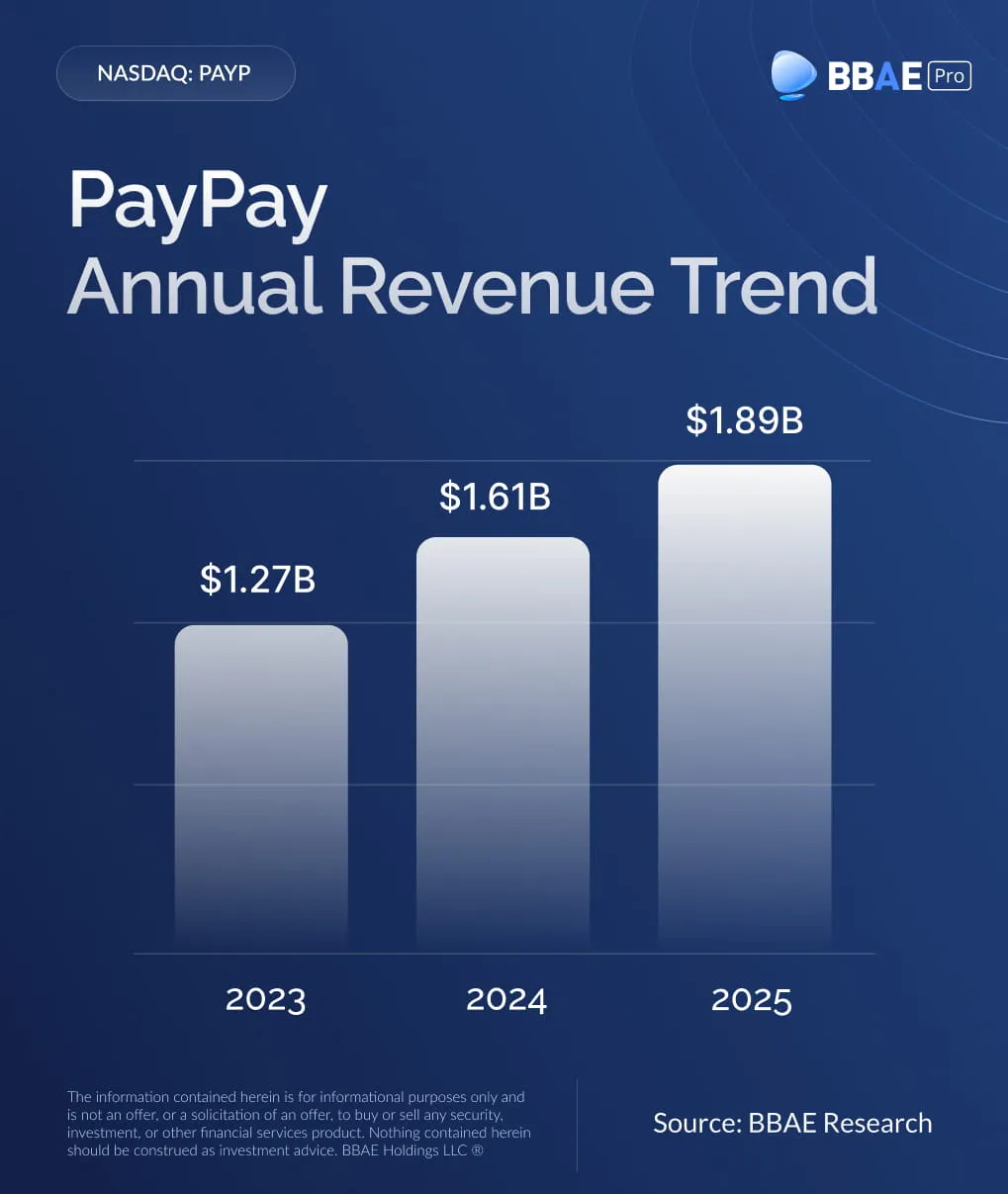
PayPay’s filing shows that the business is no longer just about processing payments. For the year ended March 31, 2025, the company reported total revenue of about ¥299.1 billion, or roughly $1.9 billion, including ¥203.6 billion (about $1.3 billion) in transaction and service income and ¥88.4 billion (about $560 million) in interest income. That mix suggests payments are still the main entry point, but lending and other financial services are becoming a more meaningful part of the revenue base. In other words, PayPay brings users in through frequent payment activity, then tries to make more from each user through credit, banking, and investing products.
Scale, Engagement, and Ecosystem Growth
The scale of the platform is one of the main points PayPay is highlighting to investors. In fiscal 2025, payment volume reached ¥15.4 trillion, or about $97 billion, while monthly transacting users climbed to 37.2 million. The filing also says the company’s incentive spending has become much more efficient as the platform scaled, with PayPay Points expenses falling sharply as a percentage of GMV compared with earlier years. That matters because it suggests PayPay is relying less on heavy promotions and more on the strength of its ecosystem and user habits.
Why Cross-Selling Matters
Cross-selling is a major part of the IPO story. PayPay says users who adopt more products tend to generate much higher activity than those who only use the payments app. In fiscal 2025, the company says average monthly GMV per app user was ¥35,600 (about $225), compared with ¥23,400 (about $148) for payments-only users. That rises to ¥66,900 (about $424) for users who also have PayPay Card, and to ¥83,100 (about $526) for those who add PayPay Bank. This is one of the clearest signs of how PayPay wants to grow: not just by adding more users, but by getting existing users to do more inside the platform.
Financial Services Expansion
The company also points to its financial services footprint as a long-term advantage. PayPay says it had 38.9 million eKYC-completed users, which it sees as a strong position for distributing regulated financial products through the app. By December 31, 2025, PayPay Bank had deposits of about ¥2.28 trillion (roughly $14.5 billion) and loans of ¥1.10 trillion (about $7.0 billion), while PayPay Card had 16 million active cards issued. These figures show that PayPay is already building meaningful scale outside its original payment business and trying to turn the app into a broader consumer finance platform.
Financial Performance
One of the biggest things that stands out in PayPay’s prospectus is how quickly the company’s profitability profile has changed. The filing shows a business that was still posting an operating loss in fiscal 2023, moved close to breakeven in fiscal 2024, and then generated meaningful profit in fiscal 2025. For the year ended March 31, 2025, PayPay reported total revenue of ¥299.1 billion (about $1.9 billion), operating profit of ¥35.5 billion (about $225 million), and profit for the year of ¥39.2 billion (about $248 million). The company also reported Adjusted EBITDA of ¥58.7 billion (about $372 million), though that is a non-IFRS metric. Overall, the filing suggests PayPay has moved beyond being just a high-growth fintech platform and is now starting to show real earnings power.
The more recent numbers point to continued momentum. For the nine months ended December 31, 2025, PayPay reported total revenue of ¥278.5 billion (about $1.76 billion), up 26.3% from the same period a year earlier. Transaction and service income rose to ¥185.3 billion (about $1.17 billion), up 22.9% year over year. According to the filing, part of that improvement came from higher PayPay Balance payment volume and a better take rate, helped in part by a greater mix of online payments. For retail investors, that matters because it suggests PayPay is not just growing through user activity, but also improving how much revenue it earns from that activity.
Another important part of the story is cost discipline. PayPay says total operating expenses in fiscal 2025 rose only 3.5% year over year to ¥263.6 billion (about $1.67 billion), while revenue grew much faster. That gap helped push the company’s operating margin to about 11.9%, up from near breakeven the year before. The filing also shows that payment-segment operating expenses rose just 1.3% year over year in fiscal 2025. That is a notable sign of operating leverage, meaning PayPay is starting to grow revenue much faster than costs as the platform scales.
The balance sheet also deserves some attention, especially because PayPay is expanding further into credit. The filing explains that when cardholders make purchases, the company may settle with merchants before it has fully collected those receivables from customers. To manage that funding gap, PayPay Card uses securitization and other financing arrangements to bring cash in faster. As of June 30, 2025, the filing says ¥362.9 billion (about $2.3 billion) of loan payables were tied to this kind of borrowing. That does not necessarily make the structure unusual for a credit business, but it does show that part of PayPay’s model depends on continued access to funding markets and structured finance arrangements. The filing also notes that some of those arrangements include termination or cancellation triggers tied to factors such as subsidiary status and profitability covenants, which is worth keeping in mind from a risk perspective.
Certain information included in this article is derived from the issuer’s registration statement and other publicly available filings. Such information has not been independently verified. Statements regarding future performance, growth prospects, backlog, capacity expansion, or market trends are forward-looking in nature and are subject to risks, uncertainties, and assumptions that could cause actual results to differ materially from those expressed or implied.
All investments involve inherent risks, including the possible loss of principal, and past performance is not indicative of future results. Investing in initial public offerings (IPOs) involves additional risks, including price volatility, limited operating history, limited public float, lock-up expirations, lack of liquidity, and the possibility that an active trading market may not develop or be sustained following the offering. IPO securities may experience significant price fluctuations and may not perform as expected.
Investors should conduct their own due diligence and consider consulting a qualified financial professional before making any investment decisions. BBAE has no position in any investment mentioned.